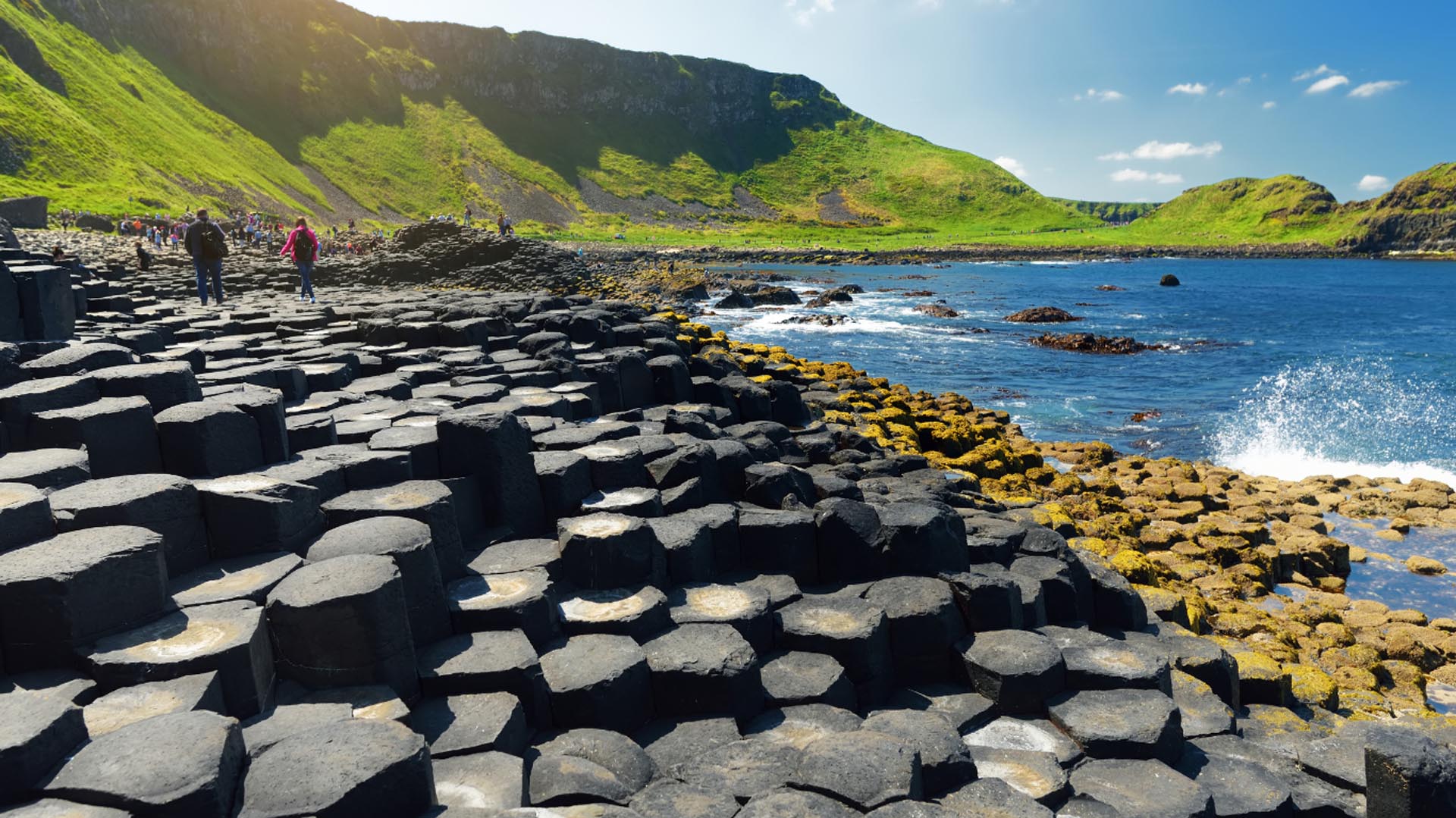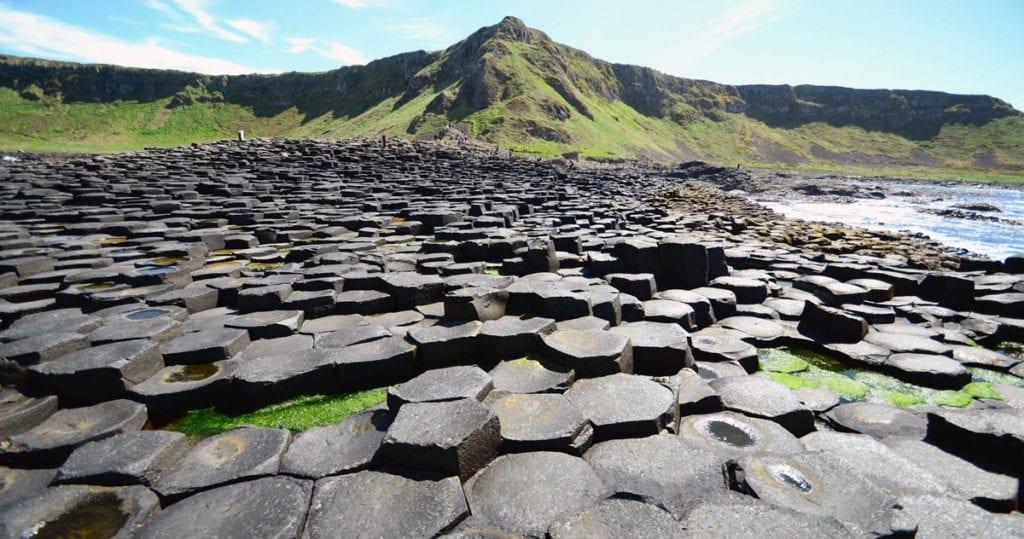
The Giant’s Causeway is a UNESCO World Heritage Site in County Antrim in Northern Ireland. Here are our top things to do at the Giant’s Causeway if you are planning a trip and want to explore the area.
Visit the Game of Thrones Filming Locations
Northern Ireland’s Coastal Causeway Route stretches from Belfast, across the north coast and over into County Derry. This route takes you by many of the filming locations used in the TV series Game of Thrones.
The Cushendun Caves
The Cushendun Caves are a 50-minute drive from the Giant’s Causeway. The Caves were used in Season 2 of Game of Thrones as the place where Davos Seaworth and Lady Melisandre came ashore and where Melisandre gave birth to a Shadow.
The Dark Hedges
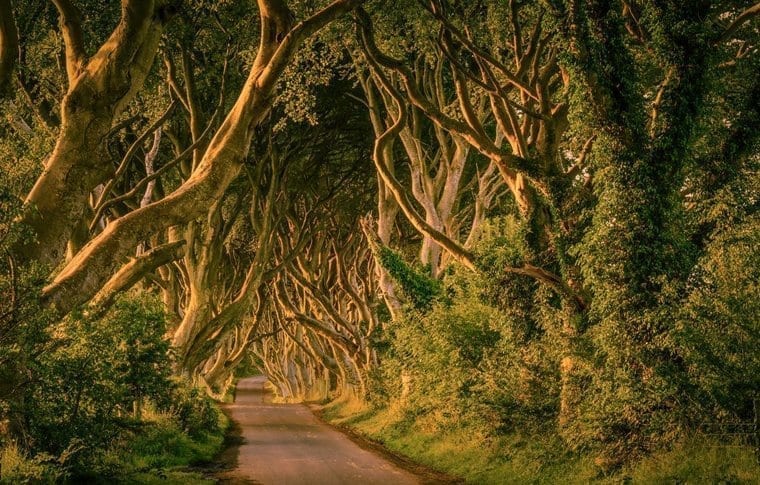
Less than a 30-minute drive away from the Giant’s Causeway are The Dark Hedges. This is a tunnel-like road of intertwined beech trees that, despite its menacing moniker, is rather beautiful and romantic. In Game of Thrones, the Dark Hedges is the King’s Road and the place where Arya Stark escapes from King’s Landing.
Ballintoy Harbour
Ballintoy Harbour is just ten minutes away from the Giant’s Causeway. This pretty seaside village was used for the Iron Islands in Game of Thrones and was the location where Theon met his sister Yara for the first time and was baptised.
If you would like to visit more of the filming locations, ask us about our private Game of Thrones tour from Dublin.
Old Bushmills Distillery
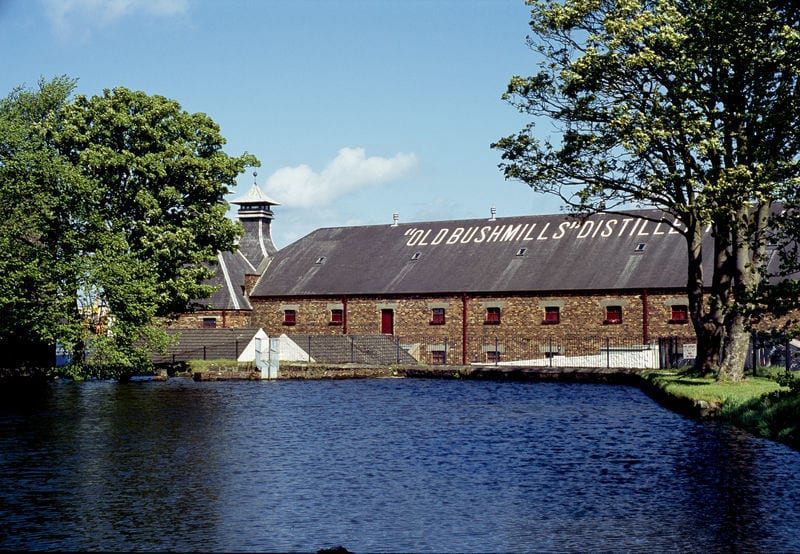
Bushmills has been distilling whiskey since 1608 making it the oldest licensed distillery in the world. Bushmills Distillery is located just ten minutes from the Giant’s Causeway.
You can take a guided tour of Bushmills Distillery and discover how they triple distil malted barley in copper pot stills to make a pure malt whiskey. Those of legal drinking age can taste and sample the whiskey too. For those who want to drink some more, you can also arrange a private tasting experience at the distillery.
If you are looking for a little sustenance before, or soakage after, your whiskey tasting we highly recommend eating at the Bushmills Inn restaurant. The fish and chips or Antrim Coast seafood pie are both homely, hearty and like a hug on a plate.
Carrick-a-Rede Rope Bridge
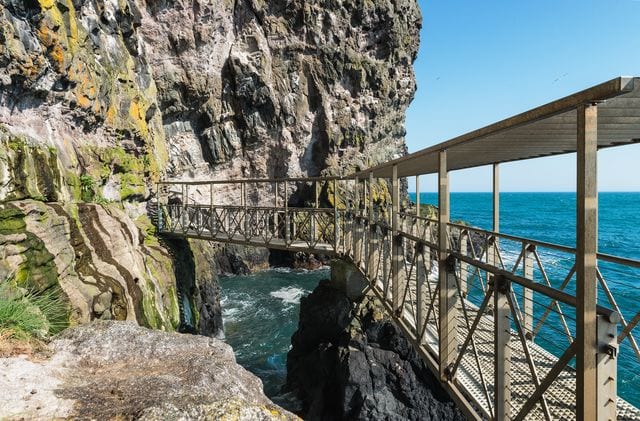
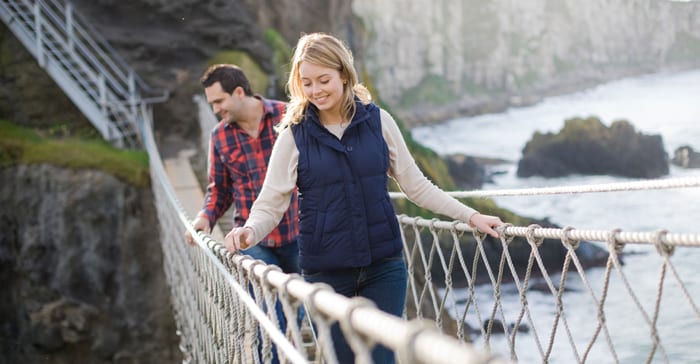
Swaying 30 metres (100 feet) above the sea on a wobbly rope bridge may not be everybody’s idea of fun, but it certainly is exhilarating and gets the heart pumping. The Carrick-a-Rede rope bridge was first erected by fishermen over 350 years ago and is used to connect the cliffs to Carrick-a-Rede Island. This tiny island is home to just one building, a fisherman’s cottage, and because of its particular geology, flora and fauna, the Island is recognised as an area of special scientific interest.
Most people just walk/wobble across the Carrick-a-Rede Rope Bridge and turn around and head back but it is worthwhile to admire the views from the Island or even do a spot of bird watching. If you time it right, on certain weekends throughout the year the cottage is open to the public.
The Carrick-a-Rede Rope Bridge is a short but sweet adventure but one that is sure to linger long in the memory.
Our scheduled day tours from Dublin do not stop at Carrick-a-Rede, but the rope bridge can be included on a private tour of Northern Ireland.
Whitepark Bay
Less than a 15-minute drive from the Giant’s Causeway is the sandy beach of Whitepark Bay. The beach is usually pretty deserted too, so if you want to feel like you are on your own private island, this is the place to be. The sand is soft, the water clear and whilst it may not be totally tropical it is beyond beautiful.
At the western end of the bay, you’ll find the postcard-perfect harbour and hamlet of Portbradden. This used to be home to St. Gobban’s Church, one of the smallest churches in Ireland, but it was demolished a few years ago. However, the harbour is still very pretty and it is a lovely walk from the bay. Keep your eyes peeled and you may even see some seals.
Dunluce Castle
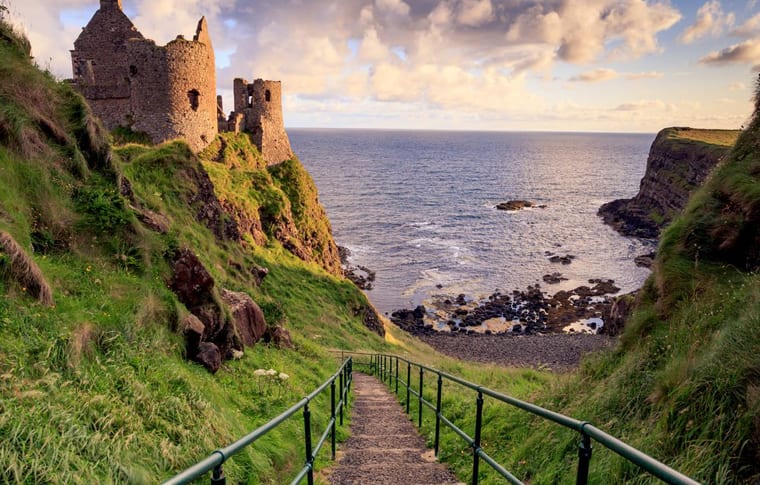
The iconic ruins of Dunluce Castle are less than 15 minutes away from the Giant’s Causeway. The breathtaking castle ruins are perched dramatically on the cliffs and you can see why they have inspired artists and writers throughout the years, including C.S. Lewis.
The castle was first built around 1500 by the MacQuillan family and was then seized by the MacDonnell clan in the 1550s. The castle had a tumultuous history and of course, it is rumoured to be haunted too: listen out for the cry of the banshee.
An audio-visual tour at the small visitor’s centre will allow you to discover the castle’s history (including how part of the castle collapsed into the sea during a banquet in the 1600s), as will the interactive exhibits and artefacts. However, the main attraction is the castle, which is accessed via a narrow bridge. Once across the bridge, you can roam the ruins, breathe in the fresh air and take in the stunning sea views.
Things to do at Giant’s Causeway
There are also loads of things to do right at the Giant’s Causeway itself, which we cover in our post on the Giant’s Causeway UNESCO World Heritage Site.
Giant’s Causeway Tour from Dublin
The Giant’s Causeway can easily be visited from Dublin in a day. Our day tour from Dublin to the Giant’s Causeway also takes in the city of Belfast and Dunluce Castle.
Not only that, but the route from Dublin to the Giant’s Causeway takes you through the historic Boyne Valley. This is home to the Hill of Tara, which is the ancient capital of the High Kings of Ireland. Then, when we head into Northern Ireland we travel along the dramatic and wild Antrim coastline with its sensational scenery.
Bespoke Northern Ireland Tours from Dublin
If you’d like to discover Northern Ireland at your own pace, Wild Rover Tours can create a bespoke itinerary and we can arrange a private tour of the Giant’s Causeway and the surrounding area. Just contact us and we will help you plan a fully customisable tour.